The Tap That Felt Like Nothing
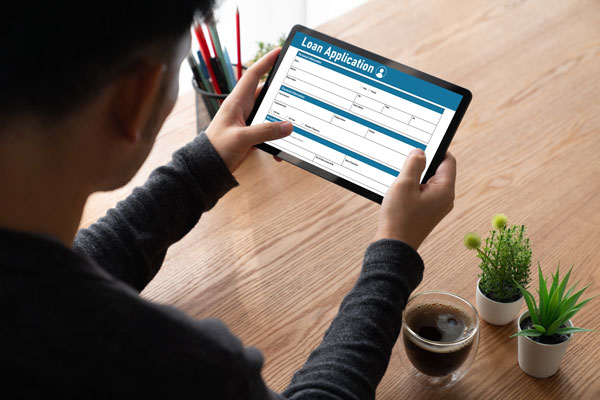
It started with a pair of sneakers Riya had been eyeing for about a month, sitting in her cart, waiting for a payday that kept getting delayed by other, smaller expenses. Then, mid-scroll on a Tuesday evening, the app offered her a way around that wait entirely – pay in three steps, zero interest, no card required. She typed in her phone number, and that was more or less the whole process. By the time her tea had gone cold, the order was confirmed and the first of three payments was quietly scheduled for three weeks out.
Nobody had asked her for income proof or a repayment plan. Nobody called it a loan, either – though that is exactly what it was.
Four Apps, One Salary
Over the following weeks a phone case appeared on one app, a kurta during a festive sale on another, and a friend’s birthday gift, split three ways, on a third. Riya’s father had once taken out a loan for their house – she remembered the folder of paperwork, the evening it was discussed at length over dinner before anyone signed anything. This was nothing like that. Each of her purchases had cost her a tap and little else, which was precisely the point: convenience engineered to not feel like debt, even while functioning as exactly that.
She wasn’t alone in this. According to Mordor Intelligence’s 2026 market analysis, India’s Buy Now Pay Later (BNPL) sector was worth close to USD 31 billion in 2025 and is compounding at nearly 20% a year – a market built on the fact that barely 5% of Indian adults hold a credit card, and that most young borrowers simply don’t have the salary-slip-and-credit-history trail traditional banks still insist on. Riya’s age group, Gen Z, already makes up close to 40% of BNPL’s user base in the country.
Source: mordorintelligence.com, May 2026
There’s an older story underneath this newer one. BNPL’s roots trace back to something far less digital: the kirana store khata, the notebook where a shopkeeper let a trusted regular pay later, long before an app tried to formalise the idea.
Where It Started to Add Up
By her third month of using BNPL, Riya had four separate plans running, and none of the four apps knew the others existed. On their own, each instalment was small enough that she barely noticed it. Added together, they were quietly eating into money that was supposed to go into her SIP. Then the fifth instalment came due in the same week as an expense she hadn’t planned for, and she came up short – for a simple, common reason: she had lost track of how much she actually owed.
This turns out to be a common problem. A Financial Times-reported survey found that close to a third of India’s BNPL users struggle to repay on time, mostly because their spending added up faster than they realised.
The Maths She Ran a Little Too Late
What Riya finally did – the week the fifth instalment came due – was something she probably should have done before ever tapping “buy” on those sneakers. She added up every instalment across every app and set it against her monthly income. The figure that came back wasn’t alarming, exactly, but it sat uncomfortably close to a threshold she hadn’t known existed: financial commentators generally recommend keeping BNPL commitments under 10-15% of income, and running no more than two active plans at a time
She didn’t give up BNPL altogether after that. Used for something planned and genuinely needed, repaid without incident, it remains a reasonable enough tool. What changed was a habit – she stopped treating a loan as harmless just because it was available, and started asking what it would actually cost her before agreeing to it. The sneakers had felt free at the time. They hadn’t been. And the real price of forgetting that wasn’t the instalment itself so much as the SIP contribution that nearly got skipped to cover it.
A Note for the Next Generation of Investors
Stories like this one are common enough now that they’re worth a fuller conversation than a single cautionary tale. Most people, ideally, would rather the next generation of earners learn this lesson cheaply and early, rather than the way Riya nearly did – with a stretched salary and a paused SIP. A handful of habits tend to make the real difference here, and none of them are complicated.
Ask what a purchase costs to wait for, not just what it costs to buy. The more useful question, before any loan – BNPL very much included – isn’t whether the instalments look affordable individually. It’s what share of income the commitment represents, and whether the purchase is worth that share. A loan taken mainly because it was on offer, rather than because it was needed, rarely survives that question.
Bring back “save now, pay later” for the small stuff. For anything discretionary – a gadget, a wardrobe refresh, a short trip – setting the money aside over a few weeks before buying works just as well as splitting the payment afterward, without the risk of losing track of it across five different apps. The purchase still happens on roughly the same timeline; only the order of operations changes, and the money waiting to be spent can sit in a liquid fund rather than doing nothing.
Separate good debt from bad debt before taking either. A home loan, an education loan, or credit against a genuinely productive asset tends to fund something that appreciates or expands future earning power, usually at a transparent and manageable cost. Debt taken for consumption that loses value the moment it’s used is a different animal entirely, particularly once fees and interest are counted in fully. BNPL, more often than its advertising suggests, falls into the second bucket.
Understand what BNPL does – and doesn’t do – to a credit score. Timely repayment is supposed to build trust with lenders over time; missed payments erode it. The complication with BNPL is that many providers in India don’t report repayment behaviour to credit bureaus at all, so responsible use often builds no credit history whatsoever, even though a default can still cause real damage. That asymmetry – limited upside, real downside – is worth knowing before treating BNPL as a stepping stone toward future credit.
Start investing early, even with small amounts. The money that quietly went toward Riya’s installments was, underneath it all, a story about where income goes by default rather than by choice. Every rupee spent on an avoidable instalment is a rupee that loses its chance to compound. A SIP started early – even a modest one – has an advantage no clever borrowing arrangement can replicate, and that advantage is simply time.
None of this argues for giving up convenience altogether. It only argues for paying for that convenience with a bit of awareness – which is, in the end, exactly what Riya’s fifth instalment finally taught her.
References
https://www.businesstoday.in/interactive/longread/the-bnpl-mania-84-07-01-2022
“India Buy Now Pay Later Services Market Size & Share Analysis – Growth Trends and Forecast (2026-2031).” Mordor Intelligence, 2026. https://www.mordorintelligence.com/industry-reports/india-buy-now-pay-later-services-market
Sinha, Sanjeev. “BNPL: Limit Instalments to 10-15% of Income and Restrict Usage to Two Plans.” Business Standard, 23 Oct 2025. https://www.business-standard.com/finance/personal-finance/bnpl-limit-instalments-to-10-15-of-income-and-restrict-usage-to-two-plans-125102301240_1.html
“Buy Now, Pay Later (BNPL): Smart Credit Option or Debt Trap?” Motilal Oswal Learning Centre, 2025. https://www.motilaloswal.com/learning-centre/2025/5/buy-now-pay-later-bnpl-a-boon-or-a-debt-trap
The information contained herein is only for information and does not constitute, and should not be construed as investment advice or a recommendation to buy, sell, or otherwise transact in any security or investment product or an invitation, offer or solicitation to engage in any investment activity. Mutual fund investments are subject to market risks, read all scheme-related documents carefully.